Is Northridge a Good Place to Live? A Comprehensive Guide
Nestled in the heart of the San Fernando Valley, Northridge stands out as one of the most balanced neighborhoods within the city of Los Angeles. It’s home to California State University, Northridge (CSUN), an active cultural scene, a broad mix of housing options, and plenty of green space, all with easier freeway access than many LA neighborhoods. But what truly defines whether Northridge is a good place to live depends on your lifestyle needs, family situation, and personal priorities, especially if you’re considering moving to Northridge or relocating within Los Angeles.
This guide explores what living in Northridge looks like in 2025, from schools and community life to transportation and housing, so you can make an informed decision.
The Neighborhood Atmosphere: Urban Access, Suburban Feel
Northridge offers a blend of urban convenience and suburban calm that appeals to a wide range of residents. The area feels more residential than many parts of Los Angeles, with lower population density, wider streets, and a notable amount of single-family homes. Despite this, it maintains close proximity to the city’s business hubs and entertainment centers.
On any given day, it’s common to see families walking their dogs, students biking to campus, and neighbors chatting across well-maintained front yards. The presence of CSUN lends the area youthful energy, yet many of the surrounding blocks remain quiet and family-friendly.
This balance between vibrancy and tranquility is one of the reasons why many residents stay for the long term.
Education and Academic Influence
Northridge is shaped, in part, by its academic environment. CSUN serves as a major institution in the region, enrolling more than 35,000 students and offering over 130 degree programs. For residents, the university brings several benefits beyond education. The campus is home to:
- The Soraya Center for the Performing Arts, which hosts concerts and theater performances year-round
- The Donald E. Bianchi Planetarium and CSUN Botanic Garden
- Frequent public lectures, community events, and fitness programs open to locals
For families with school-age children, Northridge offers access to several strong public schools, including Alfred B. Nobel Charter Middle School and Northridge Academy High School, a specialized LAUSD school created in partnership with CSUN. Additionally, a number of private and charter schools provide alternatives for various learning styles and academic goals.
Housing and Real Estate Options
Housing in Northridge reflects its diversity. Closer to campus, the market consists mostly of apartments and student housing, while other parts of the neighborhood offer traditional suburban streets lined with single-family homes, condominiums, and townhouses.
As of 2025, the average rent for an apartment is around $2,422, according to RentCafe, with an average size of 841 square feet. Home prices often range between $700,000 and $850,000, making Northridge more affordable than areas like Brentwood or Sherman Oaks, though still above national averages.
The real estate appeal lies in the space and value, homes tend to be larger and come with more outdoor area than comparable listings in denser parts of Los Angeles.
Amenities, Shopping, and Dining
Northridge is a full-service neighborhood. It’s home to the Northridge Fashion Center, one of the Valley’s largest malls, offering retail chains, local boutiques, and a modern movie theater. Around this retail core, you’ll find everything from major grocery stores (like Trader Joe’s and Whole Foods) to locally owned shops.
Dining in Northridge reflects the area’s diversity. Along Reseda Boulevard and Nordhoff Street, you’ll find Korean BBQ, Persian cafés, classic American diners, and vegan-friendly juice bars. This makes the area especially appealing to food lovers who appreciate authenticity and variety without having to drive across the city.
Beyond shopping and dining, residents enjoy access to yoga studios, climbing gyms, dental clinics, automotive services, and co-working spaces. It’s a neighborhood where most errands can be done within a 10-minute radius.
Nature, Parks, and Outdoor Recreation
Despite its suburban setting, Northridge offers easy access to outdoor beauty. Just north of the neighborhood lies the Santa Susana Pass State Historic Park, ideal for hiking and photography. Lake Balboa and Sepulveda Basin Recreation Area are a short drive away, offering lakeside picnic areas, running trails, dog parks, and Japanese gardens.
Inside the neighborhood itself, Northridge Recreation Center features basketball courts, baseball fields, a heated outdoor pool, and summer camps for children. Limekiln Canyon Park and Dearborn Park also provide quiet green spaces tucked between residential streets, perfect for walks, jogs, or weekend relaxation.
This access to nature is a key reason why Northridge attracts residents seeking an active lifestyle without sacrificing city amenities.
Transportation and Commuting
Northridge is served by multiple major roads, including the 118 freeway to the north and easy access to the 405 and 101 via connecting routes. For drivers, this means relatively smooth commuting to areas like Burbank, Santa Monica, or West LA.
Public transportation is more limited but available. Metro buses run along major arteries like Reseda Blvd and Devonshire Street, and the Northridge Metrolink Station (just west in Chatsworth) offers a commuter train route to Downtown LA and Ventura County.
While it isn’t one of LA’s most walkable areas, it is very “driveable”, residents can reach grocery stores, schools, and services quickly by car, and parking is rarely an issue.
Community Culture and Diversity
One of Northridge’s most appreciated qualities is its sense of inclusivity. According to Niche, it’s among the more ethnically diverse neighborhoods in Los Angeles, with a blend of White, Hispanic, Asian, Middle Eastern, and Black residents.
The community includes students, educators, healthcare professionals, and long-time homeowners. Cultural festivals, small business openings, and food events are frequent throughout the year, often sponsored or hosted by CSUN or local organizations. Religious institutions, neighborhood associations, and community centers are actively involved in local life.
This diversity and vibrancy mean that Northridge feels grounded, open-minded, and family-oriented. It’s a place where people come from different backgrounds but often share similar goals for stability, opportunity, and connection. For a closer look at safety stats, local sentiment, and how different areas of the neighborhood compare, check out our in-depth guide on Northridge crime rates and safety in 2025.
How Northridge Compares to Other LA Neighborhoods
Northridge holds a unique position among Los Angeles neighborhoods. While it may not have the glamour of Beverly Hills or the walkability of Silver Lake, it offers more space, quieter streets, and a greater sense of day-to-day convenience.
Compared to nearby neighborhoods:
- Porter Ranch tends to have newer developments and slightly higher home prices, but less cultural activity.
- Reseda is denser, with more affordable rentals, but fewer large homes and green spaces.
- Chatsworth offers similar suburban comfort, though it’s less connected to transit and retail.
- Sherman Oaks provides more upscale dining and shopping, but real estate is significantly more expensive.
For those looking for a balanced lifestyle, affordable by LA standards, academically influenced, and community-centered, Northridge presents a compelling option.
Cost of Living: Value in Context
Northridge’s cost of living is notably higher than the national average but remains relatively moderate compared to other parts of Los Angeles. According to the Economic Research Institute, the cost of living in Northridge is approximately 31% higher than the U.S. average and about 5% lower than the California average .
Other living expenses, such as groceries, healthcare, and transportation, are comparable to those in surrounding neighborhoods. For individuals and families seeking spacious homes, reputable schools, and a balanced lifestyle, Northridge presents a compelling option that combines suburban comfort with urban accessibility.
Final Thoughts
Is Northridge a Good Place to Live? For many Angelenos, the answer is a firm yes.
Northridge offers a rare combination of space, community, and accessibility in a major metropolitan area. With strong educational institutions, practical amenities, and room to grow, both professionally and personally, it appeals to a wide demographic: families, students, professionals, and retirees.
While it may not have the nightlife of West Hollywood or the beachside charm of Santa Monica, Northridge holds its own as a comfortable, reliable, and well-rounded place to call home. If you’re looking for a neighborhood where everyday life is both manageable and fulfilling, Northridge deserves a spot on your shortlist.
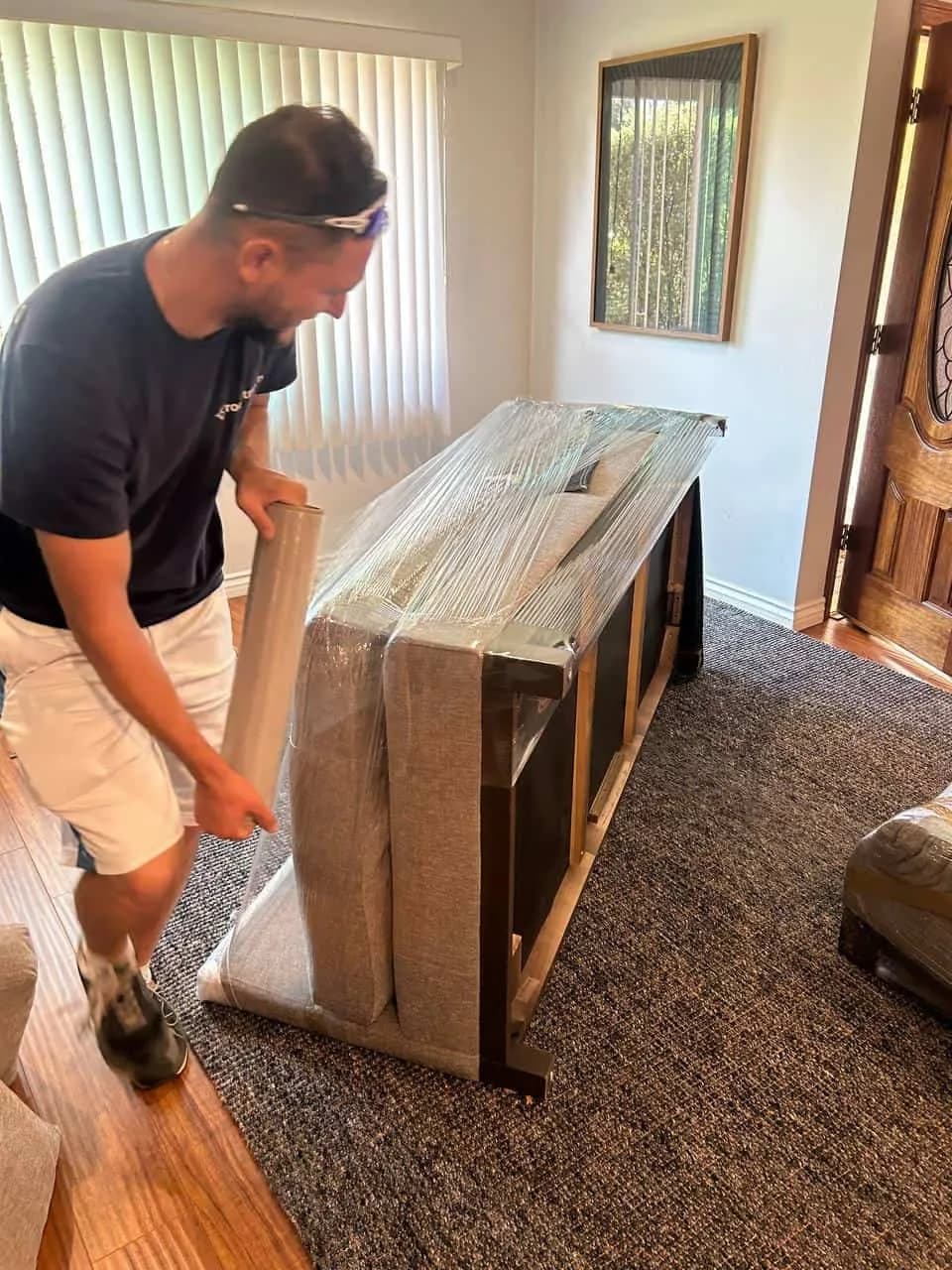
Made up your mind on Northridge? See our Northridge moving services for what a move with our crew actually looks like.